Rocks And Minerals

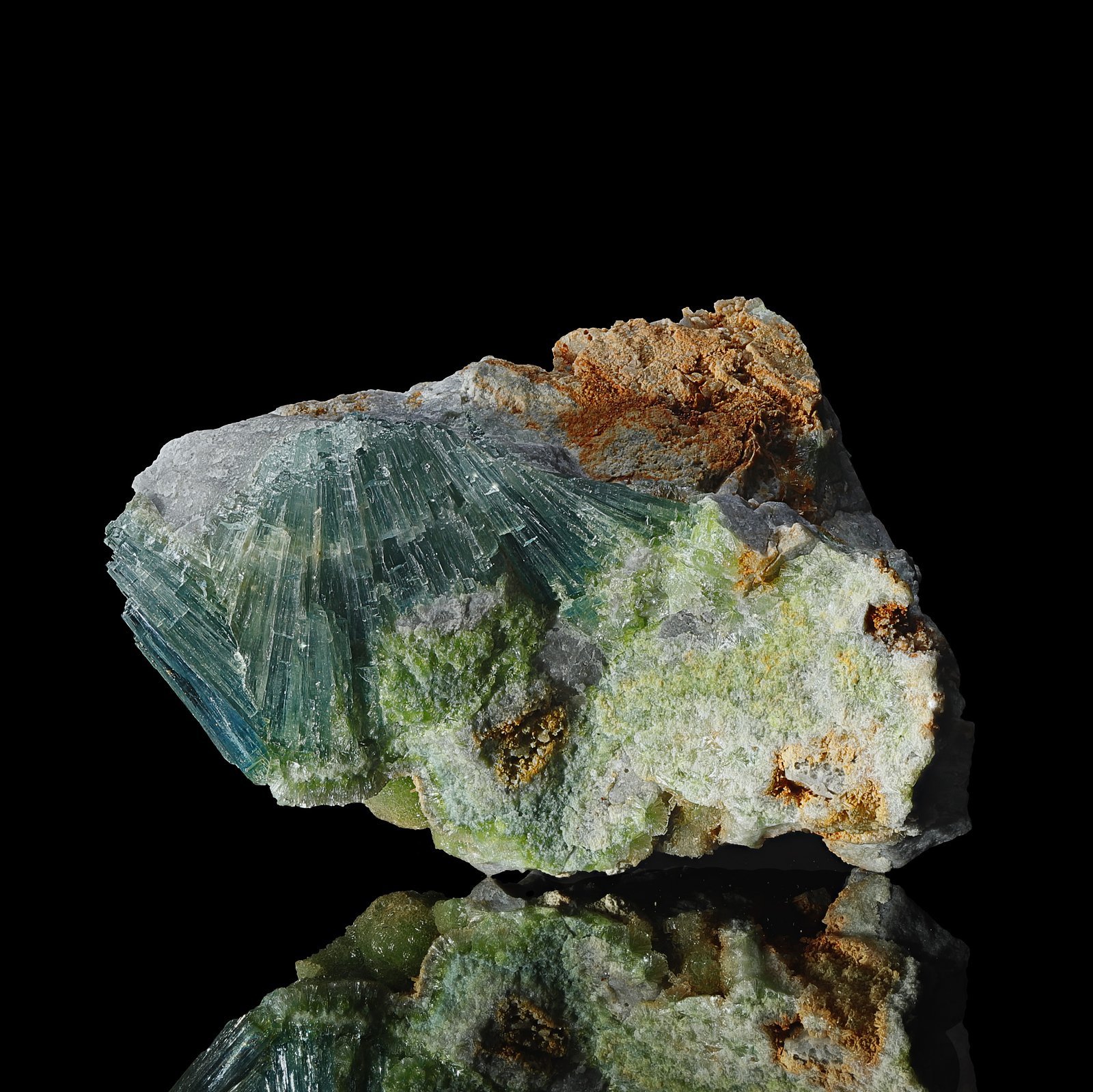
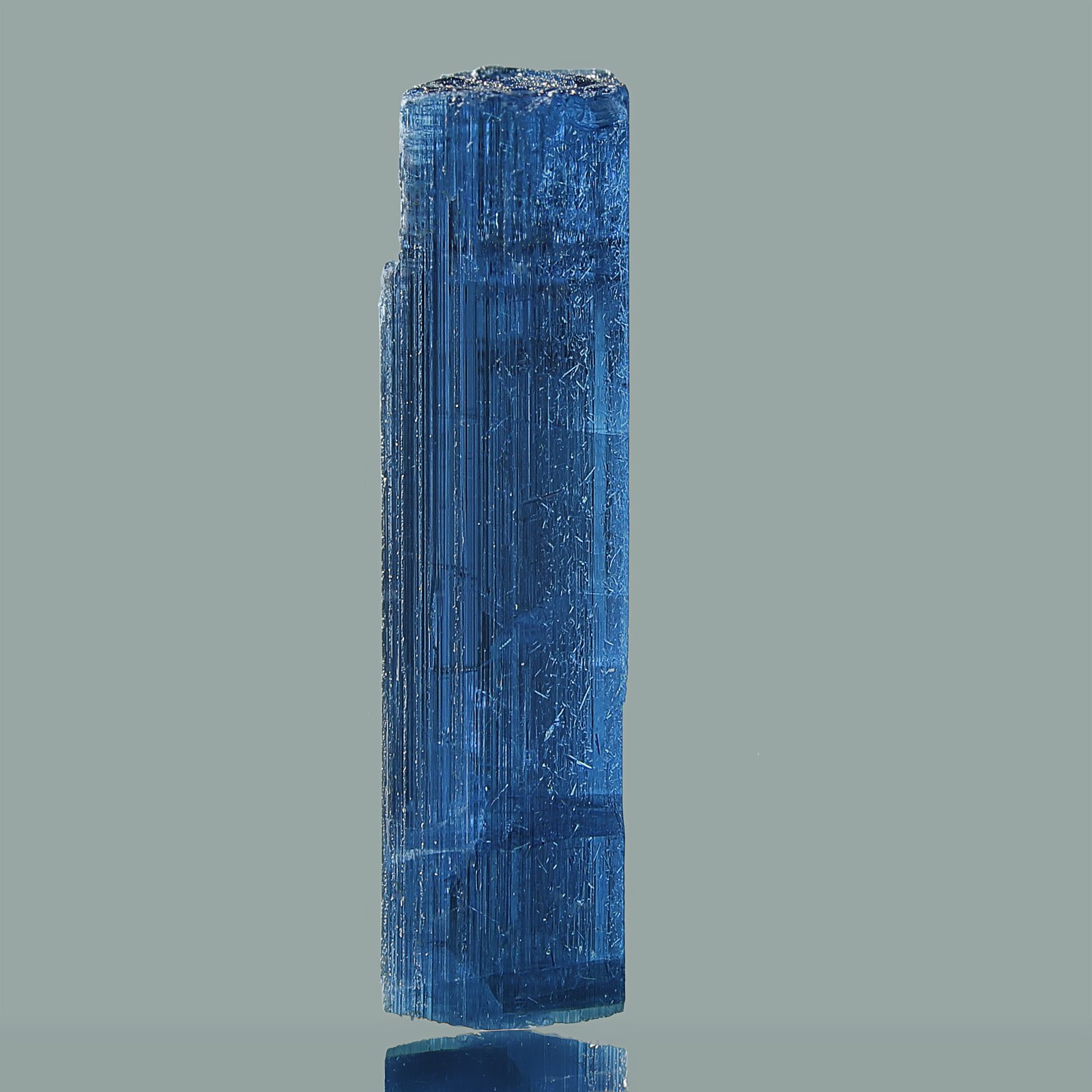
A single 1.5 blue indicolite Tourmaline Crystal from Himalayan Mountains. Indicolite, also known as Blue Tourmaline, is a very rare complex magnesium iron boro-aluminium silicate hydroxide mineral. This Tourmaline variety gets its color from tiny iron impurities and has only a few known localities throughout the world. Single Blue Tourmaline Crystal Wavellite is a classic radiating mineral, forming spectacular pinwheel aggregates emanating from a central core in spherulitic balls. When the balls are complete, the radial structure is internal and not usually visible. A crystal aggregate needs to be fractured to see and appreciate the outstanding radial habit of Wavellite. Wavellite was named in 1805 after William Wavell, an English physician who first discovered this mineral.
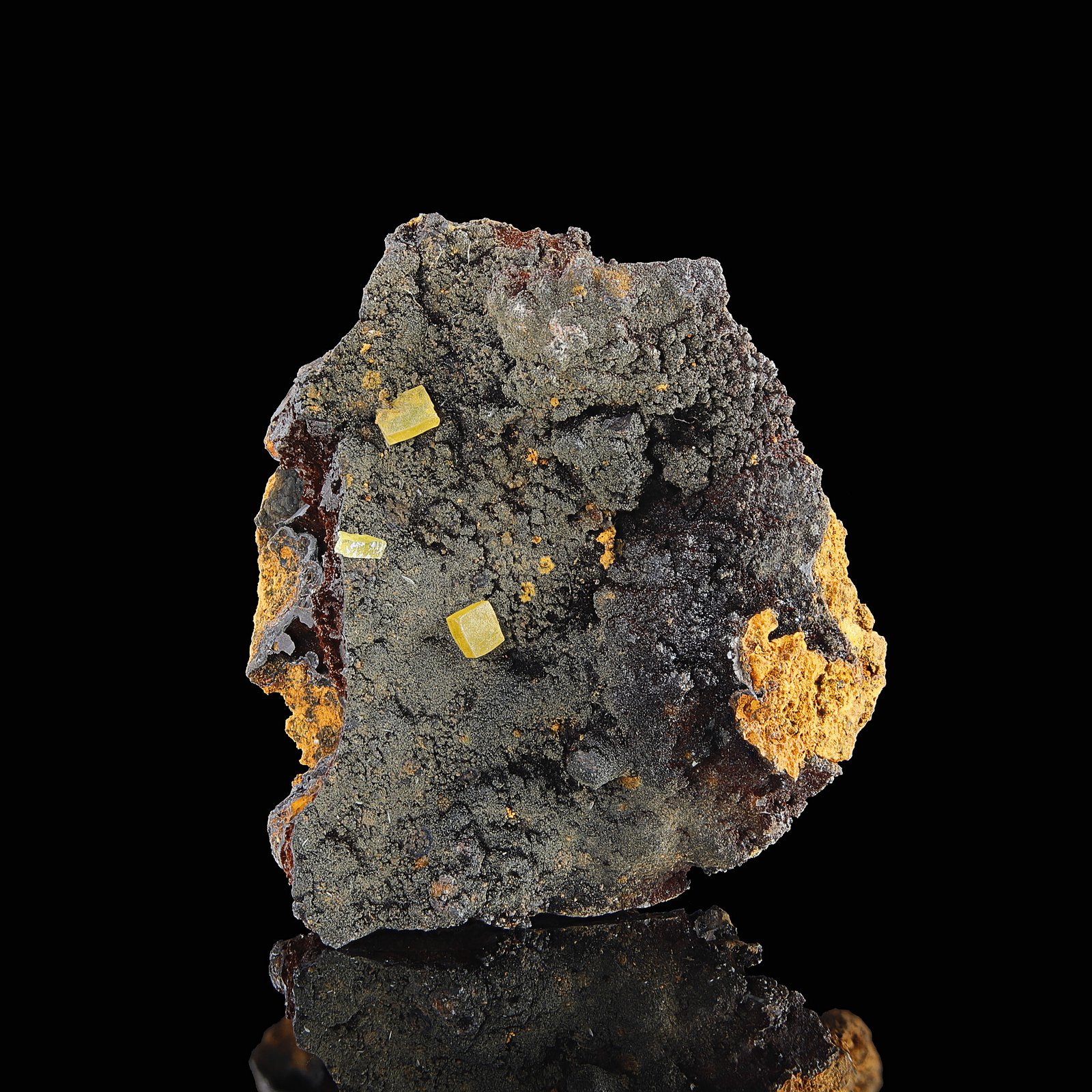
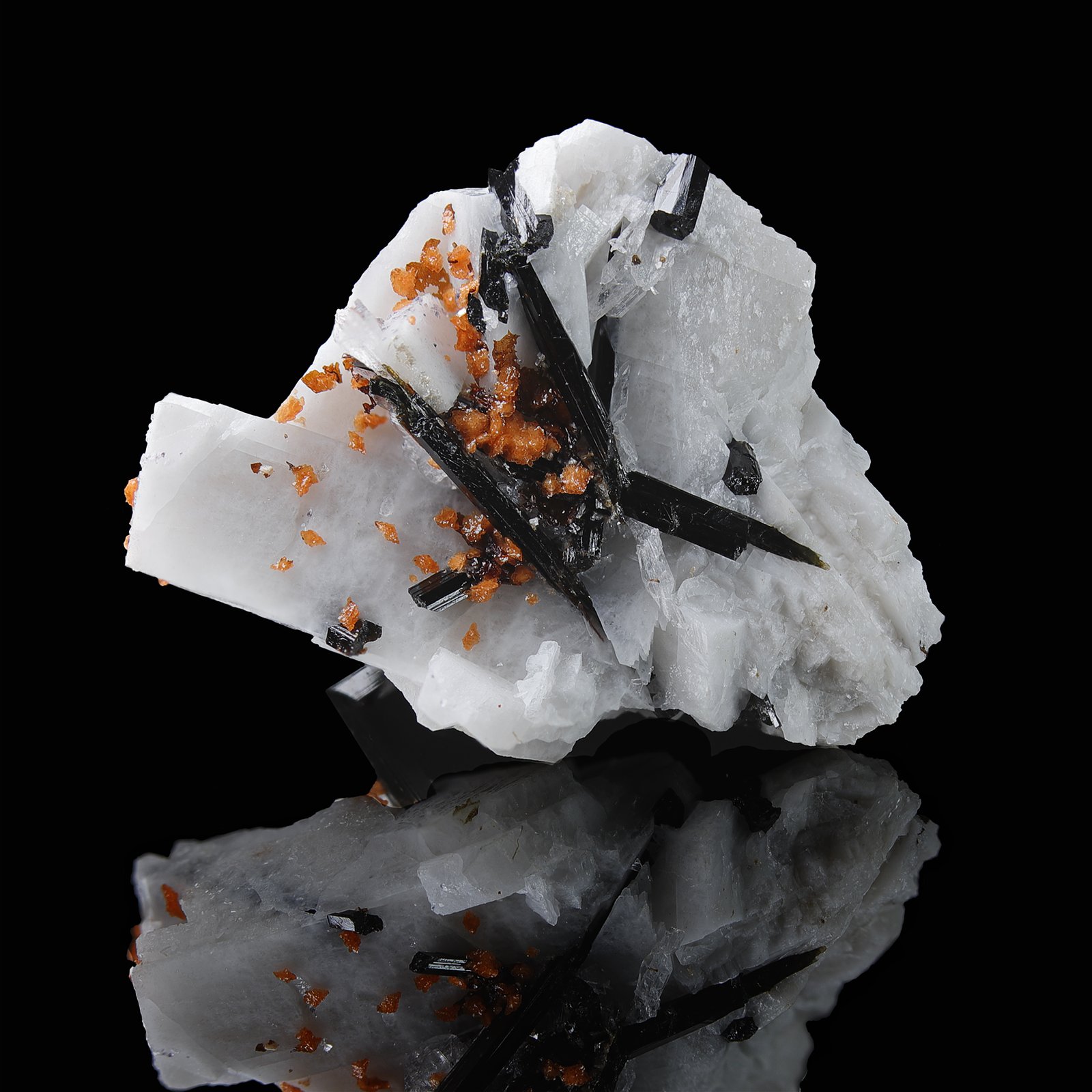
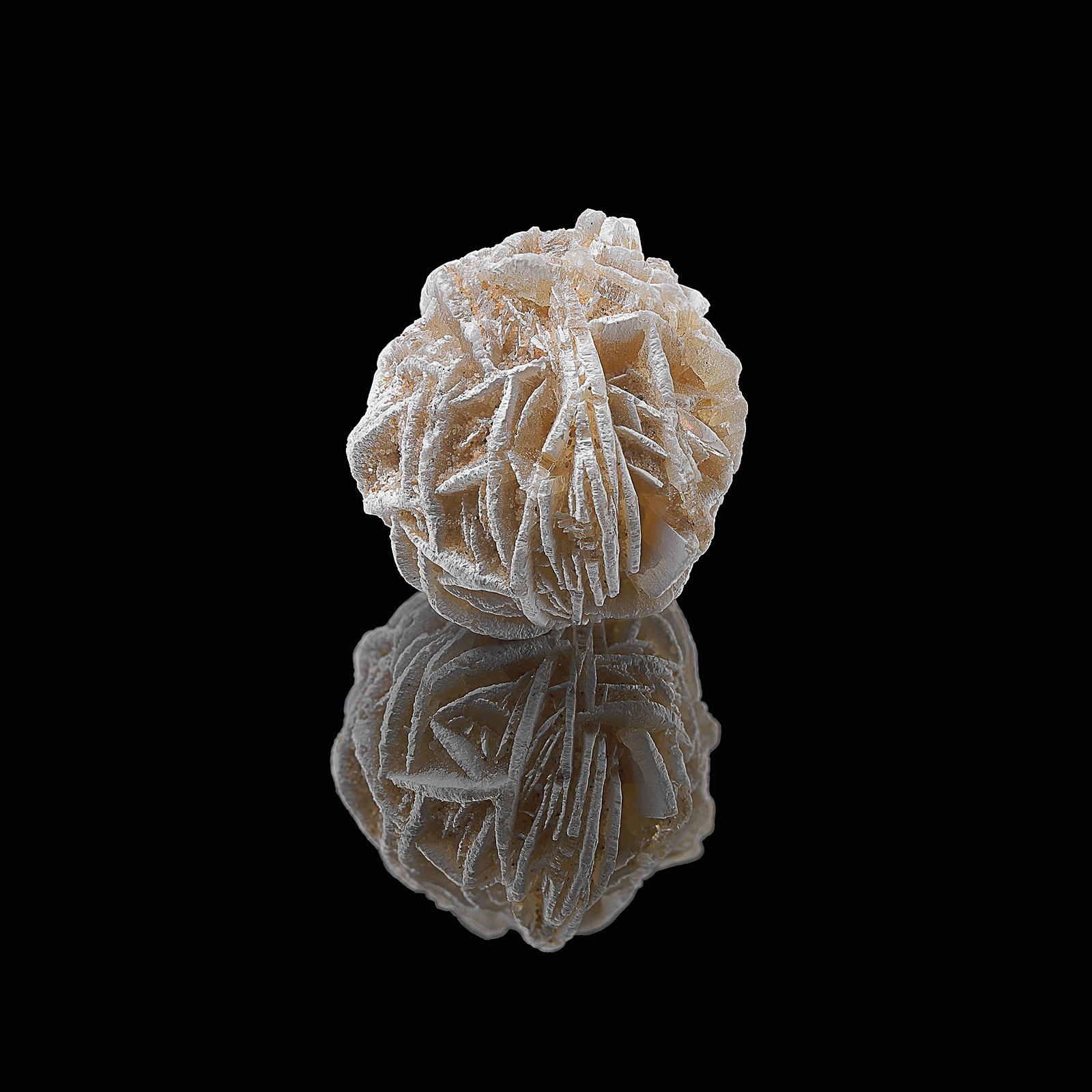
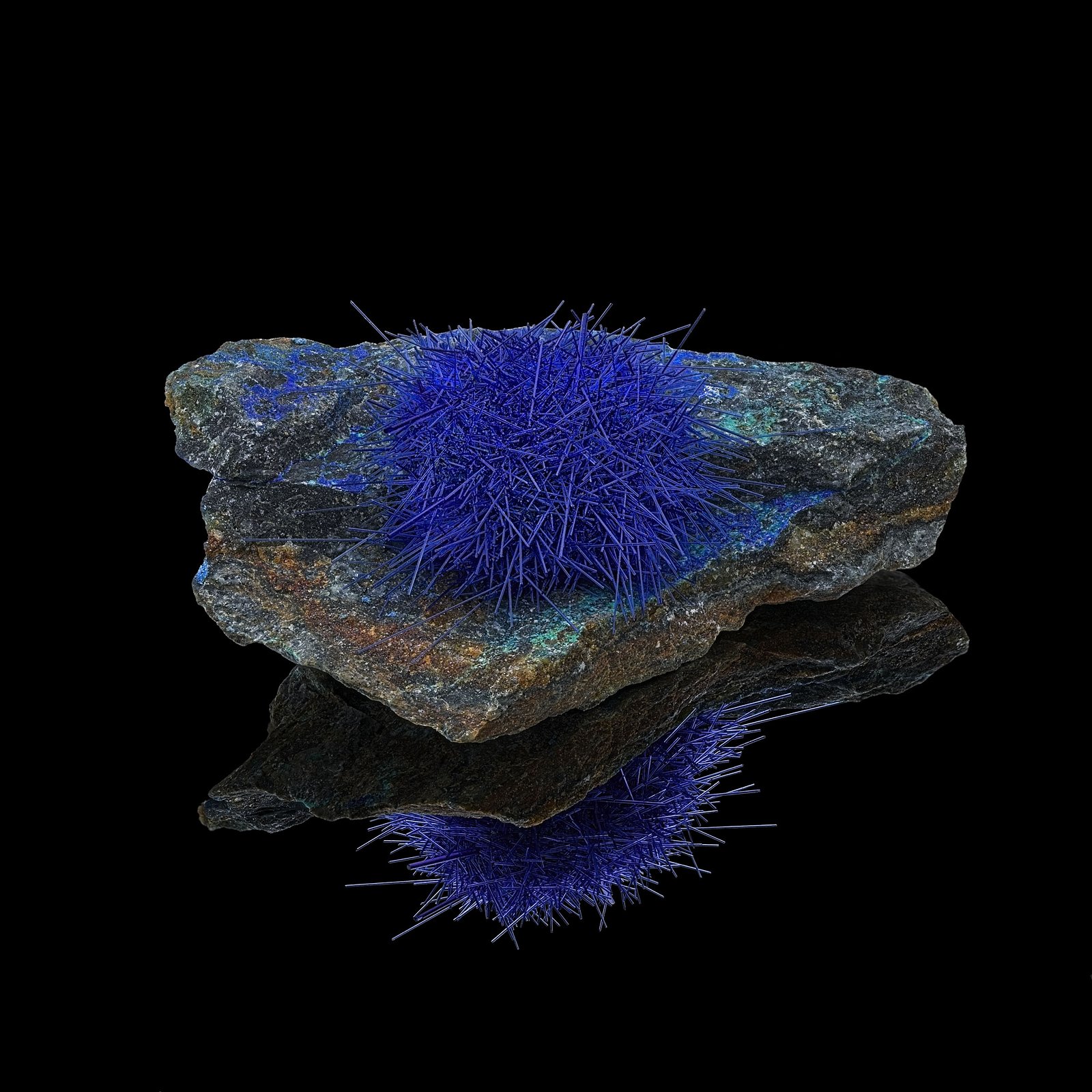
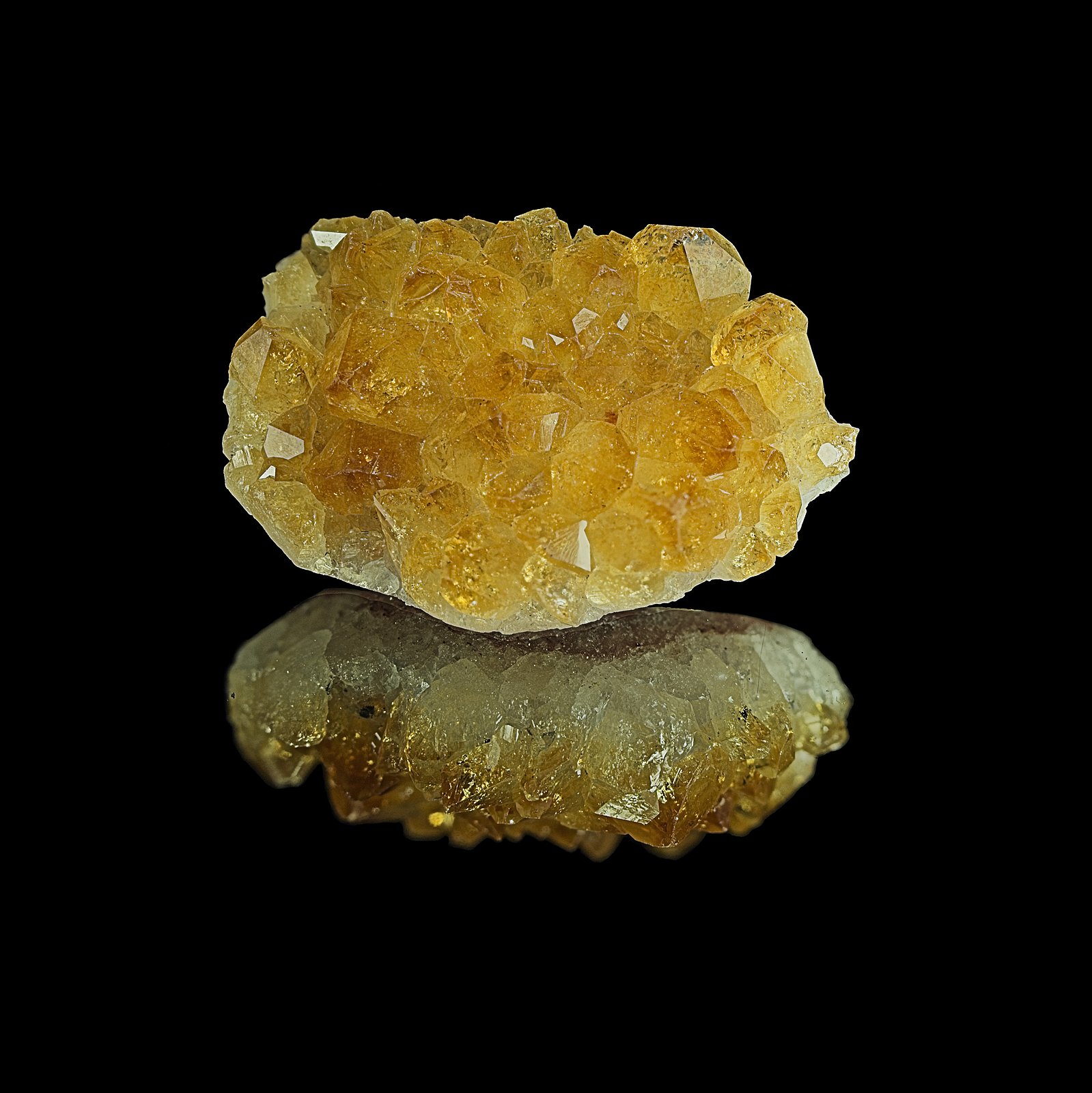
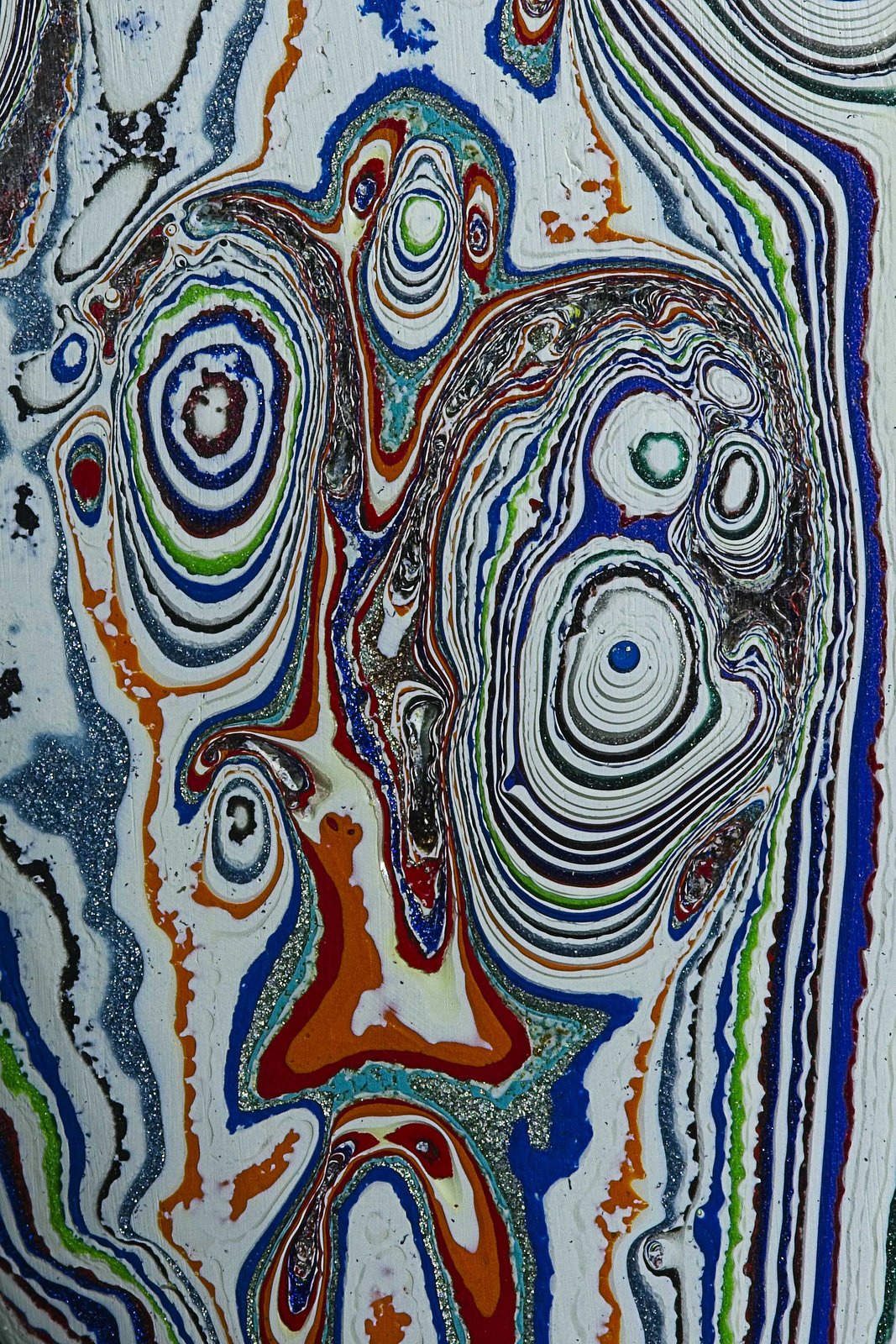
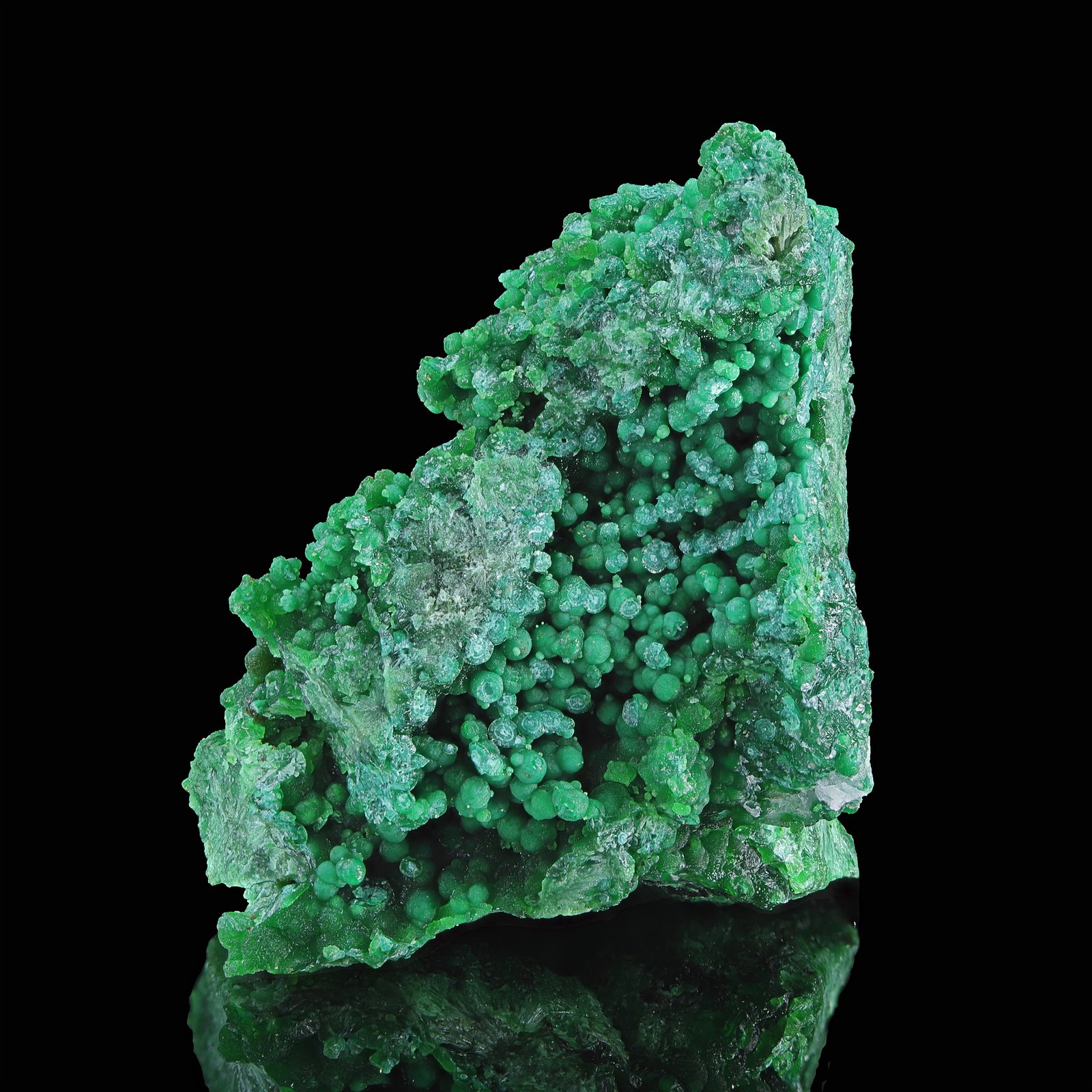
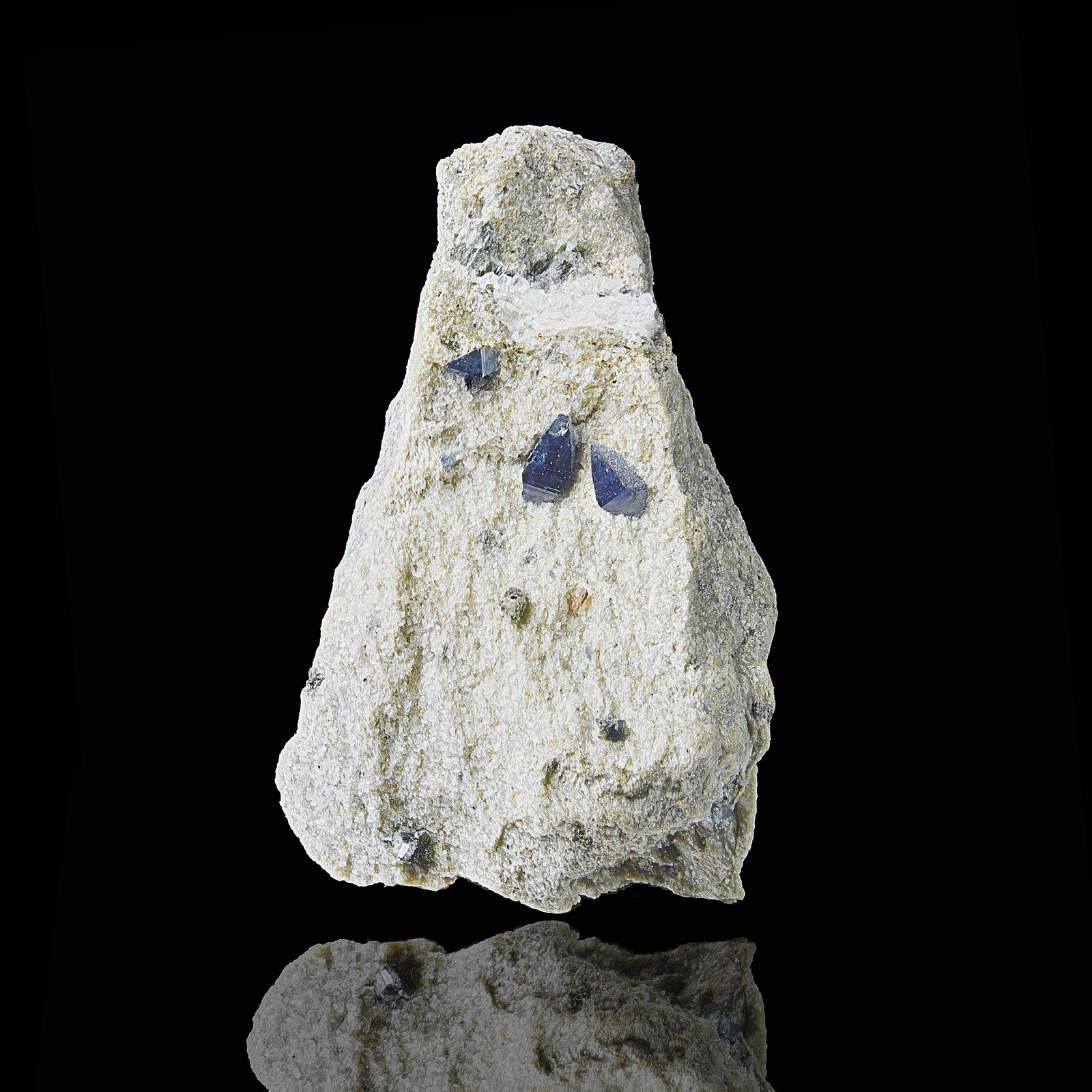
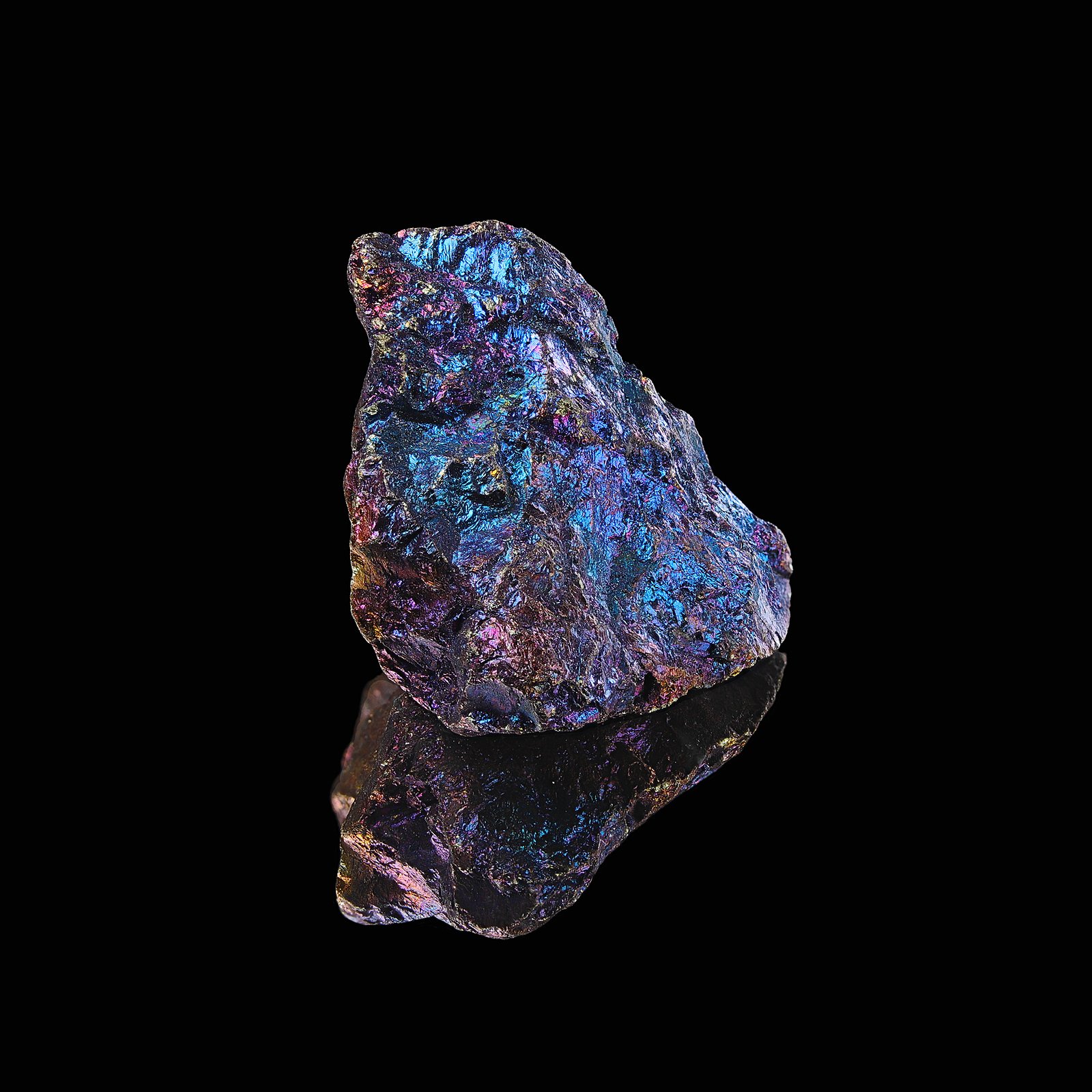
Variscite is a secondary mineral formed by direct deposition from phosphate-bearing water which has reacted with aluminium-rich rocks in a near-surface environment. It occurs as fine-grained masses in nodules, cavity fillings, and crusts. Wavellite And Variscite Crystal Cluster Green Conichalcite Crystals from the Serpieri Mine in  in the Lavrion mining district of southeastern Attica, Greece. Conichalcite Crystals Yellow Wulfenite Crystals and orange Mimetite coating on host rock from the Ojuela Mine in Durango, Mexico. Wulfenite Crystals Black Aegirine Crystals and Orange Rhodochrosite Clusters On White Quartz from the Poudrette Quarry in Mont St Hilaire, Quebec, Canada. Aegirine Crystals and Rhodochrosite Clusters On White Quartz Blue Anatase crystals on a light colored host rock from Kline's Quarry, Pennsylvania. Anatase Crystals On Host Rock Desert Rose (also called  sand rose, Sahara rose, rose rock, selenite rose, gypsum rose, or baryte rose) in Oklahoma was formed during the Permian Period, 250 million years ago, when western and central Oklahoma was covered by a shallow sea. As the sea retreated, baryte precipitated out of the water and crystallized around grains of quartz sand. Desert Rose Peacock copper ore, also known as bornite, is a sulfide mineral with the chemical formula Cu5FeS4. It is recognized for its striking iridescent colors, which resemble a peacock's feathers, and is an important source of copper. Peacock Copper Ore This is a man made crystal that had been grown on the rock in a lab. I had purchased it online and thought that it was a very beautiful crystal growth. After I received it and then doing research found out that these types of specimens are produced in China. It may not be natural but it still is beautiful. Blue Silica Crystals On Copper Ore Citrine is a transparent, yellow variety of quartz. Its name is derived from the Latin word citrus (citron tree), by way of the French citrin or citron (lemon). Citrine is one of the most popular yellow gemstones and has been used since ancient Egyptian times. There is disagreement as to which trace elements are responsible for its color. Not all yellow quartz is considered citrine, such as quartz stained by iron inclusions or coatings. Natural citrine is rare; most commercially available "citrine" is produced by heating amethyst or smoky quartz. Citrine Crystal Cluster Fordite, also known as Motor Agate, is a unique automotive enamel material with an interesting history. The original layered automotive paint slag “rough” was made incidentally, years ago, by the now extinct practice of hand spray-painting multiples of production cars in big automotive factories. 
The oversprayed paint in the painting bays gradually built up on the tracks and skids that the car frames were painted on. Over time, many colorful layers built up there. These layers were hardened repeatedly in the ovens that the car bodies went into to cure the paint. Some of these deeper layers were even baked 100 times. 
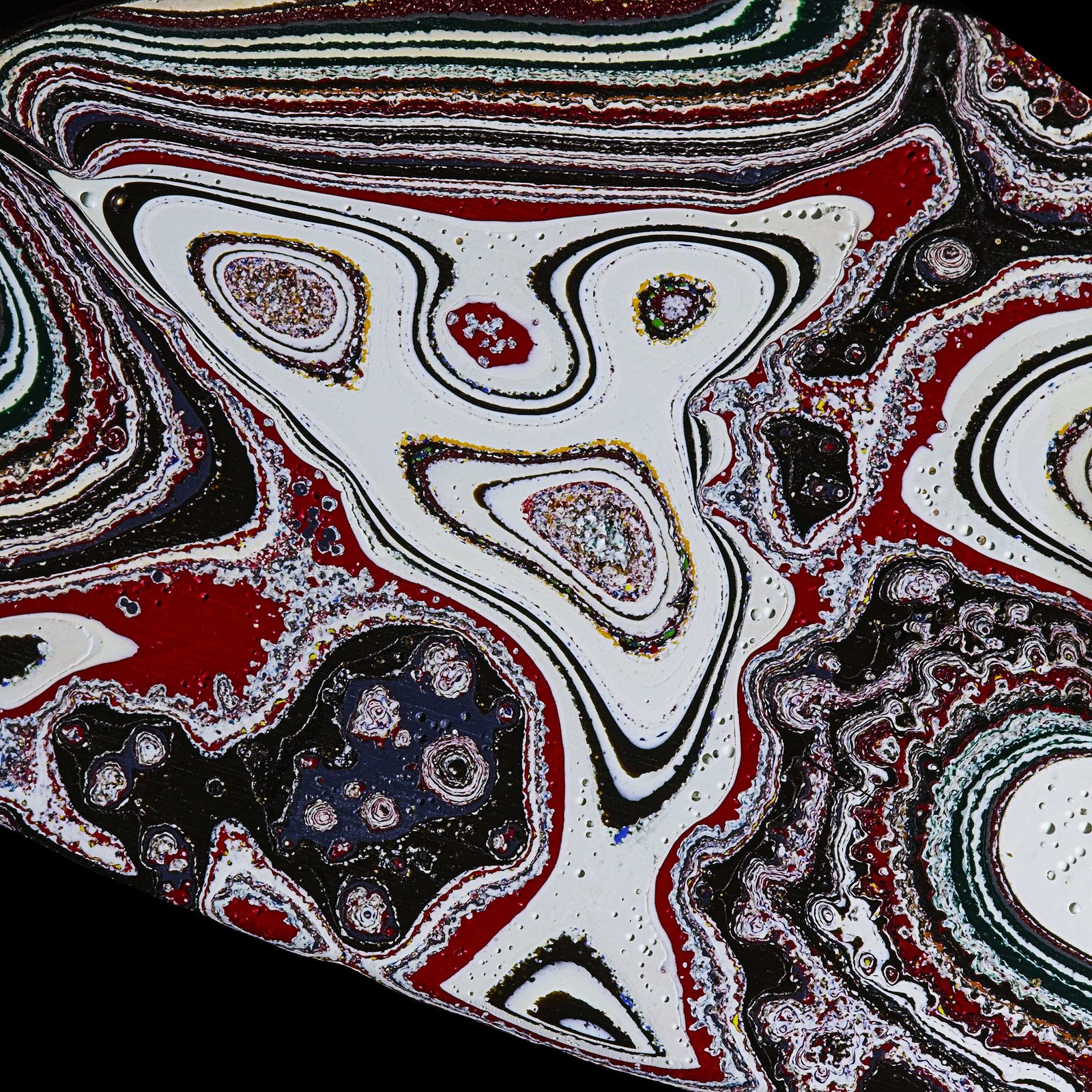
Eventually, the paint build-up would become obstructing, or too thick and heavy, and had to be removed. As the story goes, some crafty workers with an eye for beauty realized that this unique byproduct was worth salvaging. It was super-cured, patterned like psychedelic agate, and could be cut and polished with relative ease! Multiple Faces Fordite, also known as Motor Agate, is a unique automotive enamel material with an interesting history. The original layered automotive paint slag “rough” was made incidentally, years ago, by the now extinct practice of hand spray-painting multiples of production cars in big automotive factories. 
The oversprayed paint in the painting bays gradually built up on the tracks and skids that the car frames were painted on. Over time, many colorful layers built up there. These layers were hardened repeatedly in the ovens that the car bodies went into to cure the paint. Some of these deeper layers were even baked 100 times. 
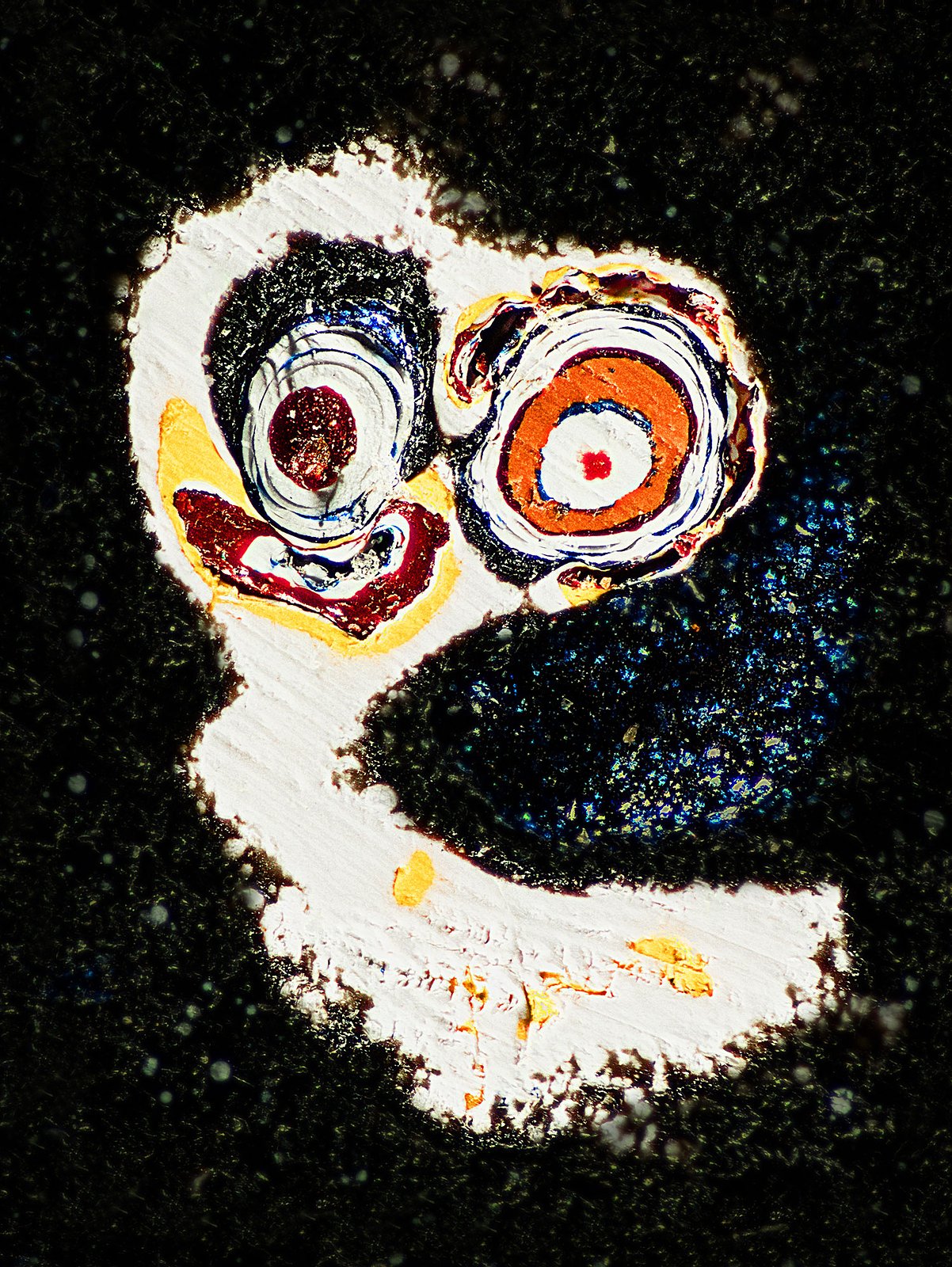
Eventually, the paint build-up would become obstructing, or too thick and heavy, and had to be removed. As the story goes, some crafty workers with an eye for beauty realized that this unique byproduct was worth salvaging. It was super-cured, patterned like psychedelic agate, and could be cut and polished with relative ease! Surprised Fordite, also known as Motor Agate, is a unique automotive enamel material with an interesting history. The original layered automotive paint slag “rough” was made incidentally, years ago, by the now extinct practice of hand spray-painting multiples of production cars in big automotive factories. 

The oversprayed paint in the painting bays gradually built up on the tracks and skids that the car frames were painted on. Over time, many colorful layers built up there. These layers were hardened repeatedly in the ovens that the car bodies went into to cure the paint. Some of these deeper layers were even baked 100 times. 

Eventually, the paint build-up would become obstructing, or too thick and heavy, and had to be removed. As the story goes, some crafty workers with an eye for beauty realized that this unique byproduct was worth salvaging. It was super-cured, patterned like psychedelic agate, and could be cut and polished with relative ease! Fordite Creature Fordite, also known as Motor Agate, is a unique automotive enamel material with an interesting history. The original layered automotive paint slag “rough” was made incidentally, years ago, by the now extinct practice of hand spray-painting multiples of production cars in big automotive factories. 
The oversprayed paint in the painting bays gradually built up on the tracks and skids that the car frames were painted on. Over time, many colorful layers built up there. These layers were hardened repeatedly in the ovens that the car bodies went into to cure the paint. Some of these deeper layers were even baked 100 times. 
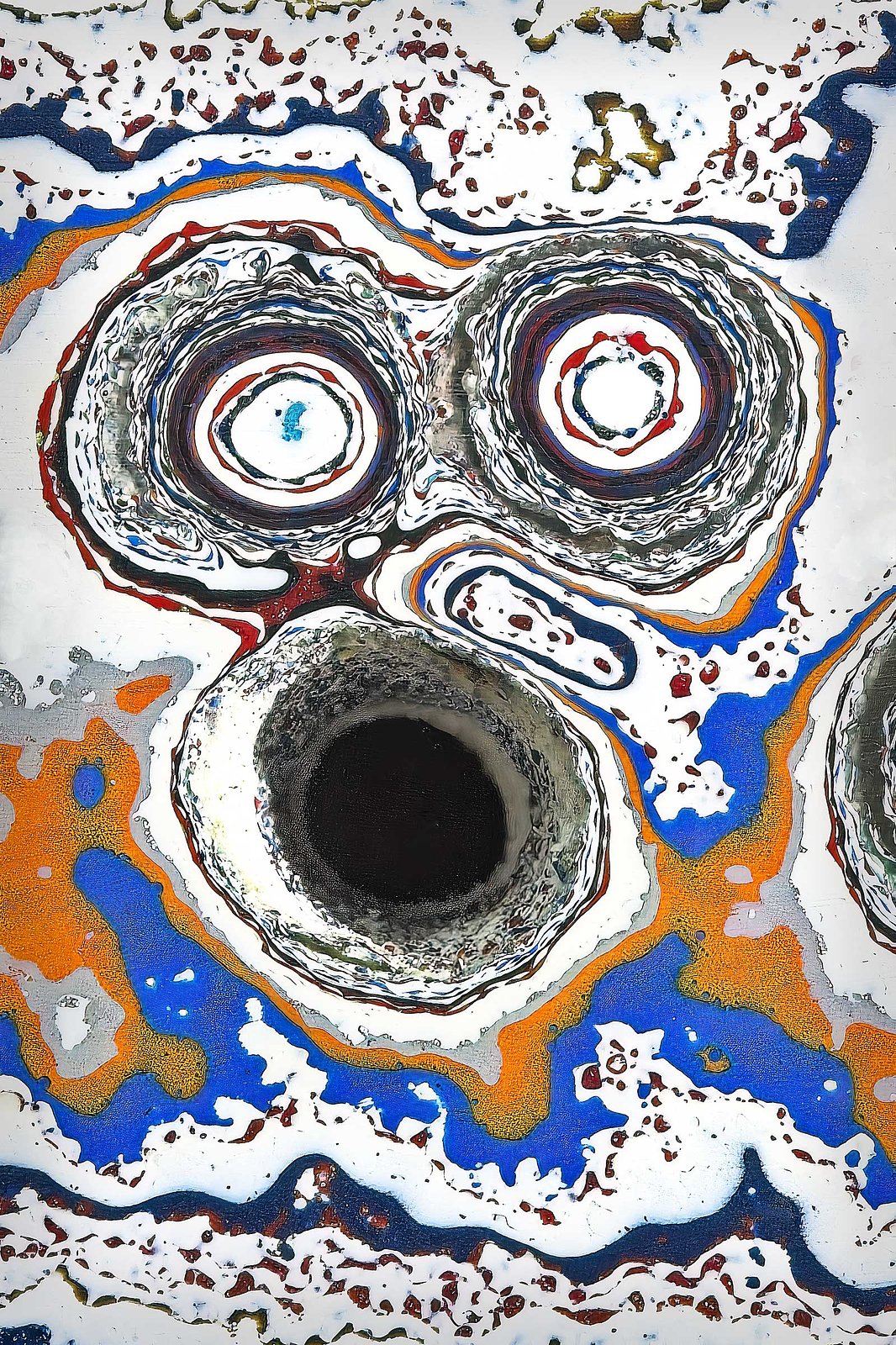
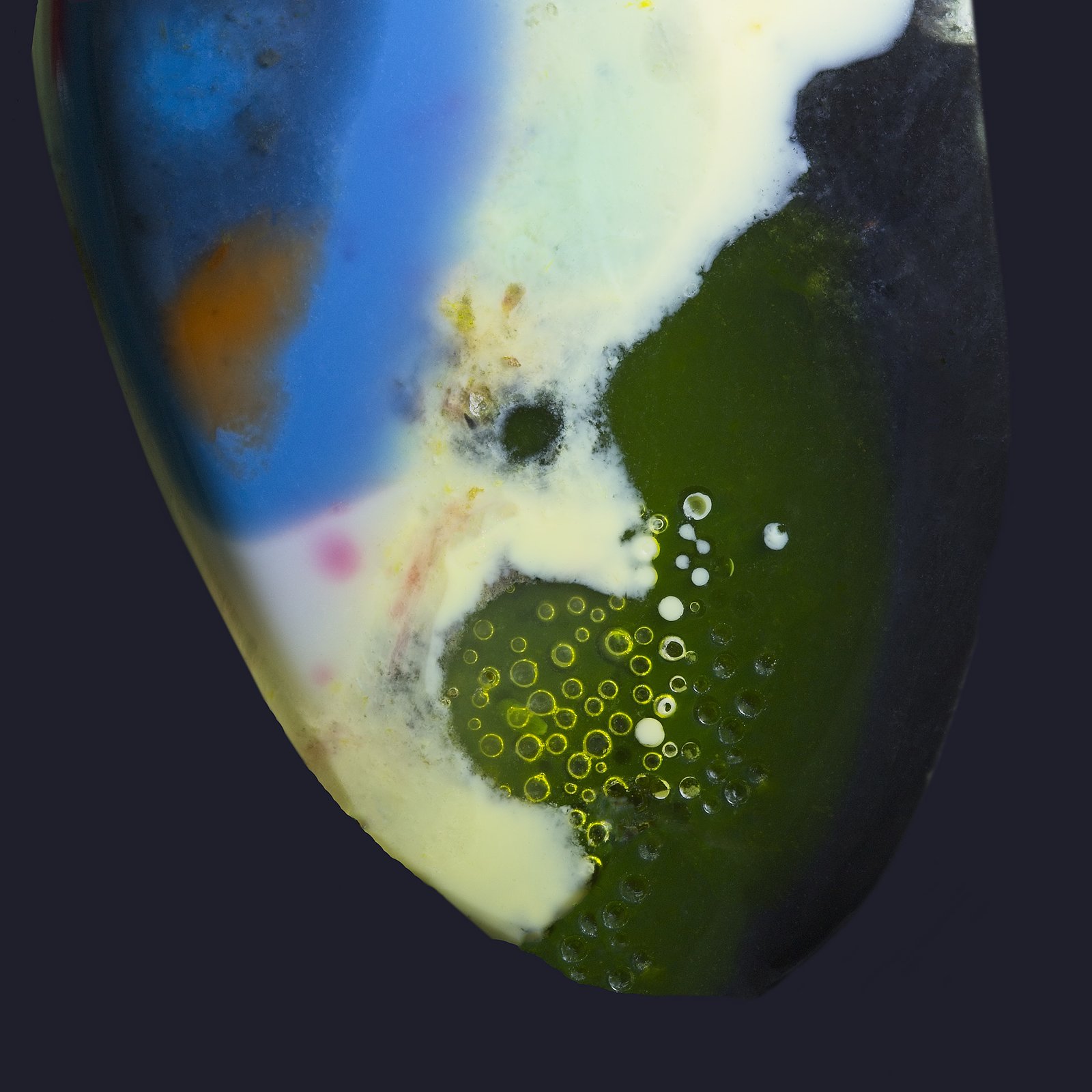
Eventually, the paint build-up would become obstructing, or too thick and heavy, and had to be removed. As the story goes, some crafty workers with an eye for beauty realized that this unique byproduct was worth salvaging. It was super-cured, patterned like psychedelic agate, and could be cut and polished with relative ease! The Face Surfite is a unique material created from industrial waste generated during the manufacturing of surfboards. Layers of resin accumulate on the workshop floor during the surfboard crafting process and then this excess material is collected. Instead of ending up in a landfill, these colorful resin layers are salvaged and transformed into something beautiful. Wearing Surfite jewelry is a statement of style and sustainability. Speaking Bubbles Fordite, also known as Motor Agate, is a unique automotive enamel material with an interesting history. The original layered automotive paint slag “rough” was made incidentally, years ago, by the now extinct practice of hand spray-painting multiples of production cars in big automotive factories. 
The oversprayed paint in the painting bays gradually built up on the tracks and skids that the car frames were painted on. Over time, many colorful layers built up there. These layers were hardened repeatedly in the ovens that the car bodies went into to cure the paint. Some of these deeper layers were even baked 100 times. 
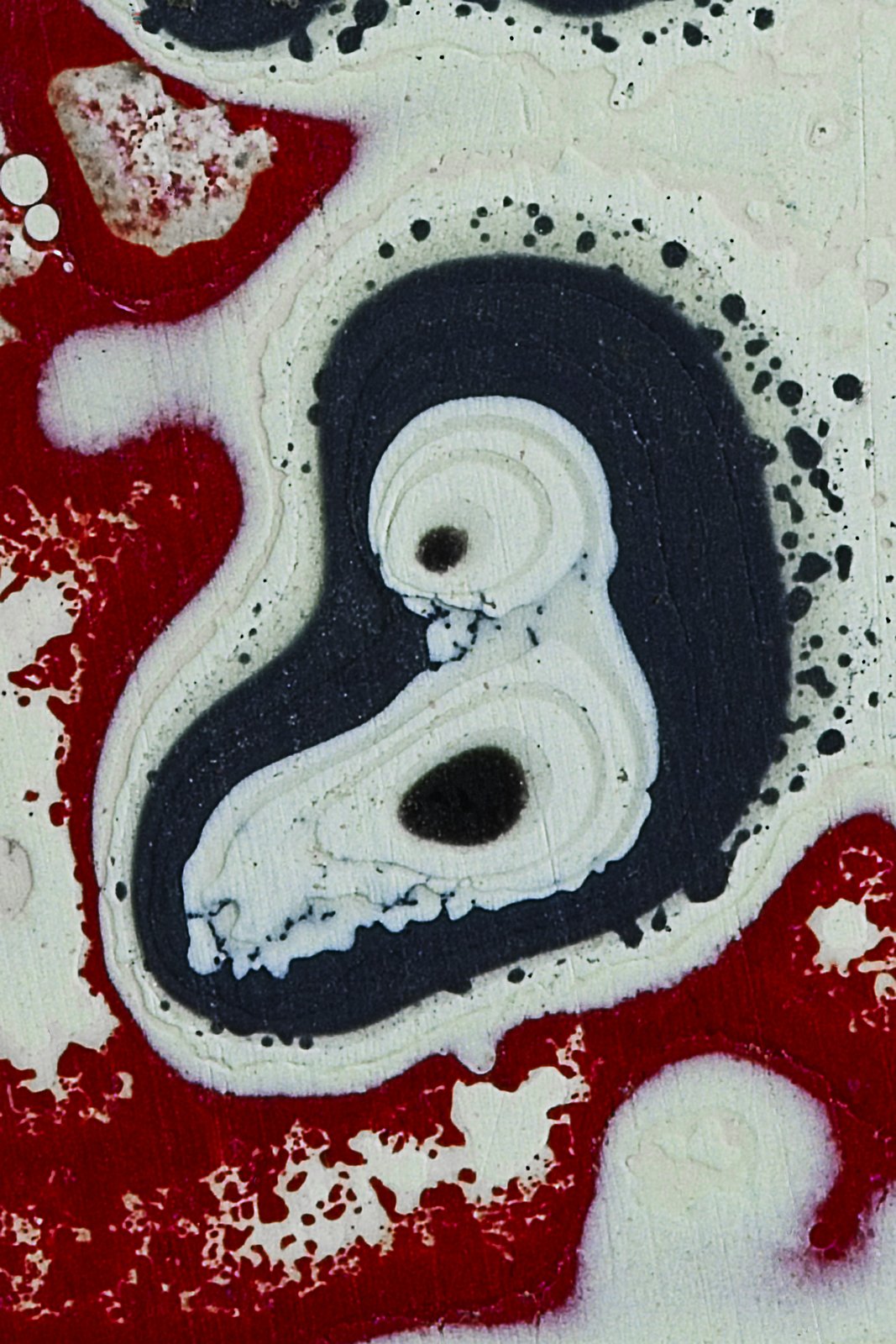
Eventually, the paint build-up would become obstructing, or too thick and heavy, and had to be removed. As the story goes, some crafty workers with an eye for beauty realized that this unique byproduct was worth salvaging. It was super-cured, patterned like psychedelic agate, and could be cut and polished with relative ease! What Do You See